(303) 999-8864

Colonial Chic: 2026 Denver Design Trend
Explore Colonial Chic: the defining 2026 design trend for Denver luxury homes. See how DAECO Painting executes this timeless, architectural look with precision.
INTERIOR DESIGNHISTORIC HOMESDECORATEQUIET LUXURY
1/19/20263 min read
Home > Blog > Interior Design Trends > Colonial Chic: 2026’s Timeless Design Trend for Denver Luxury Homes>DAECO PAINTING
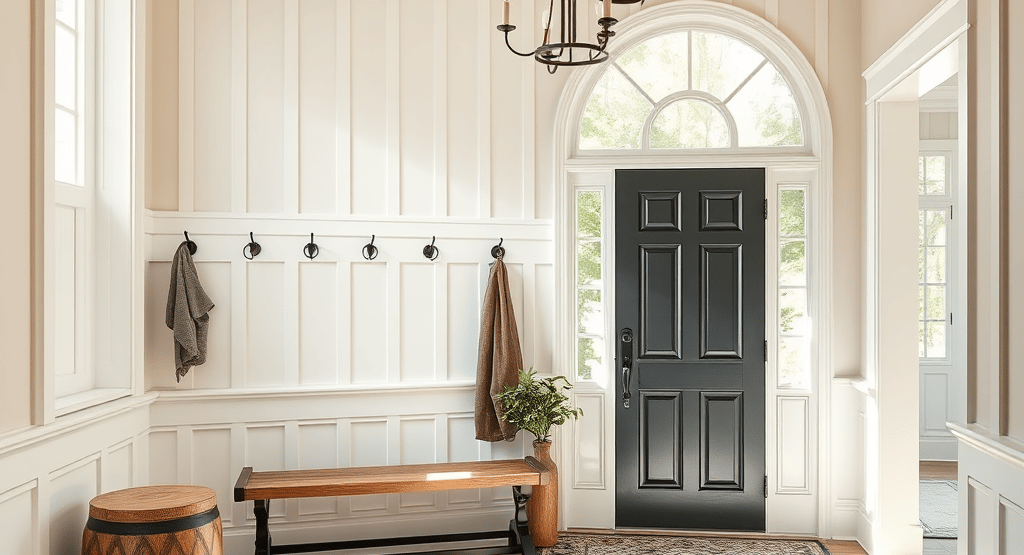
Colonial Chic is emerging as one of the most influential interior design directions of 2026, redefining how historic American architecture is experienced in modern luxury homes. Rather than leaning rustic or overly nostalgic, this movement refines classic colonial principles—symmetry, proportion, and craftsmanship—through warm neutrals, layered textures, and intentional restraint.
For Denver’s luxury homeowners, Colonial Chic resonates deeply. The city’s Federal-style, Colonial Revival, and early 20th-century residences provide an ideal architectural canvas for a style that values longevity over novelty and depth over decoration.
What Defines Colonial Chic Design?
Colonial Chic is not a decorative trend—it is an architectural mindset. At its core, it respects original form while subtly modernizing how spaces feel and function.
Key characteristics include:
Architectural symmetry and balanced room layouts
Paneled walls, wainscoting, and detailed millwork
Soft, historically informed color palettes
Natural materials layered for visual depth
A move away from stark contrast toward tonal cohesion
Unlike modern farmhouse—which favors rustic textures and high-contrast whites—Colonial Chic emphasizes elegance, heritage, and global influence. The result is a home that feels collected, considered, and enduring.
Why Colonial Chic Is Gaining Momentum in 2026
Design in 2026 is shifting away from fast trends and visual noise. Homeowners are prioritizing warmth, permanence, and architectural integrity—values central to Colonial Chic.
This resurgence is driven by:
A renewed appreciation for historic American design
Fatigue with minimalism and trend-based interiors
Increased focus on craftsmanship and material quality
Social influence from designers emphasizing timeless form
Colonial Chic answers the desire for homes that feel grounded and personal without sacrificing refinement.
Designer Influence: Julie Provenzano Group
Much of Colonial Chic’s visibility comes from designers such as the Julie Provenzano Group, whose 2025–2026 projects highlight a return to classic silhouettes, symmetry, and rich materiality.
Their work consistently features:
Traditional architectural frameworks updated with modern palettes
British Colonial and Americana references
Warm wood tones paired with soft neutrals
Spaces designed with intention rather than trend adherence
While many projects are based in Dallas, the design philosophy translates seamlessly to Denver’s luxury housing stock, particularly in neighborhoods with historic architectural roots.
Colonial Chic Color Palettes for Denver Homes
Color is foundational to Colonial Chic. The palette favors premium neutrals that enhance architectural detail rather than overpower it.
Soft Whites & High-End Neutrals
These shades form the backbone of Colonial Chic interiors, especially in homes with original millwork or paneled walls:
White Dove (Benjamin Moore) – A soft white with subtle warmth, ideal for trim-on-trim applications and cohesive interiors.
School House White (Farrow & Ball) – A pared-back, timeless off-white that feels grounded without appearing yellow, particularly well-suited to historic homes.
Greek Villa (Sherwin-Williams) – A warm, creamy white that bridges modern brightness and traditional comfort.
Supporting Neutrals & Accents
Depth is introduced through mid-tone neutrals and restrained accent colors:
Warm greiges and soft taupes in living areas
Muted greens inspired by heritage palettes
Deep blues or umbers used selectively in libraries or dining rooms
The goal is tonal harmony—allowing architecture and materials to lead rather than color contrast.
How Colonial Chic Shows Up in Denver Interiors
In Denver luxury homes, Colonial Chic often appears through:
Color-drenched dining rooms finished in warm neutrals
Home offices with paneled walls painted in mid-tone greiges
Hallways and staircases unified in a single soft white
Kitchens balancing painted cabinetry with natural wood finishes
These applications favor continuity and flow, reinforcing the architectural rhythm of the home.
Exterior Expression of Colonial Chic
Colonial Chic extends beyond interiors. On exteriors, the style emphasizes symmetry, proportion, and historically appropriate palettes updated for modern durability.
Common approaches include:
Soft white or ivory body colors
Restrained shutter and door tones
Avoidance of stark black in favor of softened contrasts
The objective is quiet elegance—exteriors that feel timeless rather than attention-seeking.
Colonial Chic Is About Precision, Not Decoration
What separates Colonial Chic from surface-level design trends is its reliance on execution. Architectural lines, finish quality, and material transitions are all visually exposed.
Small inconsistencies—uneven surfaces, incorrect sheen, or rushed preparation—disrupt the intended effect. This is why Colonial Chic interiors feel elevated when done correctly and underwhelming when rushed.
Final Thoughts
Colonial Chic represents a broader shift in 2026 design: a return to craftsmanship, warmth, and architectural respect. It is not a trend for shortcuts. It requires thoughtful planning, restrained color selection, and precision in execution.
If the precision, warmth, and intentionality of Colonial Chic resonates with you, it’s worth approaching your home’s paint and finish with the same care. High-end interiors demand planning, the right materials, and expert execution to honor both architecture and design intent.
We’d love to talk through how white-glove service and old-world craftsmanship can elevate your Denver home—without cutting corners or compromising detail.
Schedule a consultation with DAECO Painting today.
Ready for a Project Assessment?
As you’ve seen, we consider every aspect of your home when determining the true cost of a professional paint project. We’d love to talk and provide a detailed, transparent proposal tailored to your home.