(303) 999-8864

Roman Clay in Denver: A Natural Finish for Modern Luxury Interiors
Discover how Roman Clay — an ancient plaster finish revived for contemporary design — delivers timeless texture, sustainability, and elegance perfectly suited for Denver’s climate and architecture.
INTERIOR DESIGNHISTORIC HOMESLOCAL SERVICESQUIET LUXURY
DAECO PAINTING
11/11/20254 min read
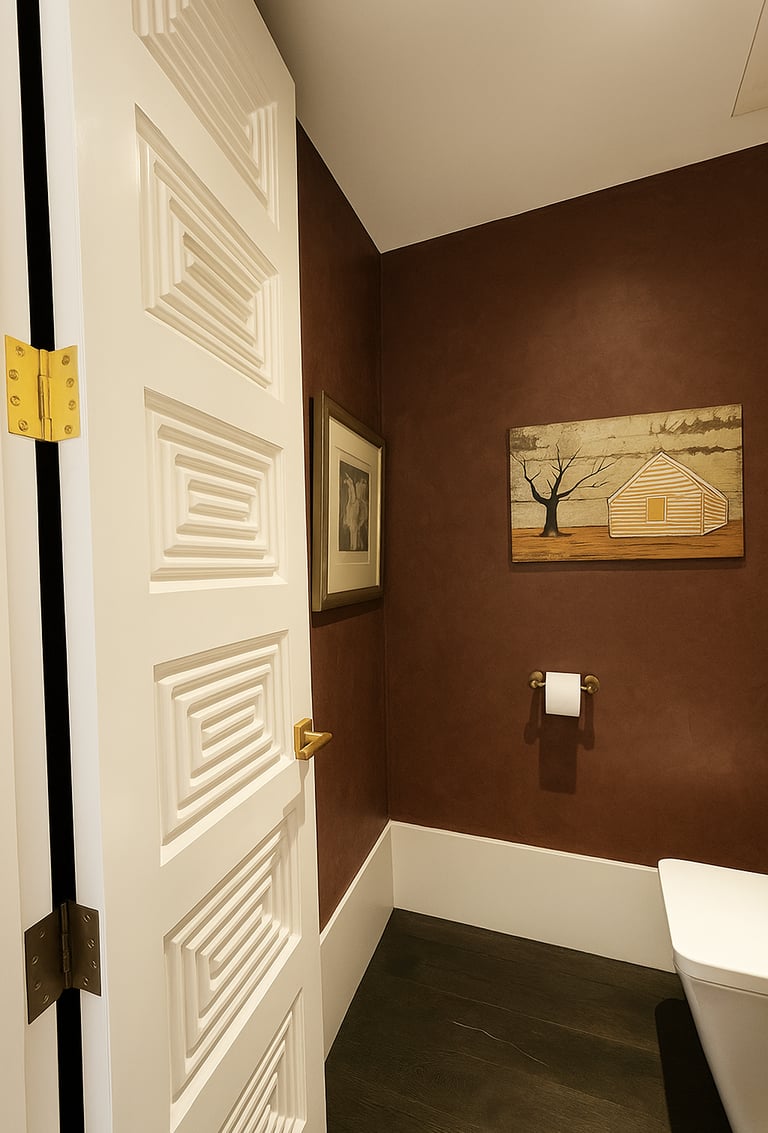
What Is Roman Clay?
Roman Clay is a natural, mineral-based plaster made from limestone, marble dust, and fine clay. Applied in thin layers by hand, it produces a smooth, soft-matte surface with visible movement and subtle depth — a finish that feels as organic as stone yet modern in tone.
This centuries-old material originated in ancient Roman architecture and has reemerged in contemporary design for its environmental integrity and architectural character. Today’s formulas, such as those from Portola Paints and American Clay, combine traditional mineral bases with modern, zero-VOC pigments to create healthier, longer-lasting interiors.
Why It Performs Exceptionally Well in Denver Homes
Denver’s altitude and dry, sunny conditions pose unique challenges for interior wall finishes. Roman Clay excels under these conditions for several reasons:
UV Stability: Mineral pigments are naturally resistant to color fading, even in spaces with large south-facing windows.
Breathability: Clay’s porous structure allows moisture vapor to pass through, preventing cracking or blistering in Denver’s low-humidity climate.
Temperature Adaptability: Unlike paint films, clay-based plasters expand and contract gently with wall movement.
Environmental Safety: Zero-VOC and composed entirely of earth-based materials, Roman Clay supports healthier indoor air quality.
These qualities make it a preferred choice for high-end, eco-conscious renovations across Colorado’s Front Range.
Craftsmanship and Process
The beauty of Roman Clay lies not only in the material but in the craft of application. The finish depends on skillful layering, surface preparation, and color control.
DAECO’s fine-finish team approaches Roman Clay as both an art and a science. The process includes:
Surface Preparation: Skim coating and sanding to create a perfectly smooth substrate.
Layered Application: Multiple coats applied by hand using trowels or blades, each creating subtle tonal shifts.
Custom Tinting: Pigments adjusted on-site to match lighting conditions and design palettes.
Finishing Touches: Optional burnishing or sealing to achieve matte or satin depth, depending on aesthetic goals.
The end result is a tactile, dimensional finish that feels bespoke to each space — understated yet rich in visual texture.
Design Applications and Aesthetic Impact
Roman Clay complements the architectural diversity found in Denver, from modern lofts to mountain-contemporary homes. Common applications include:
Feature walls and entryways
Kitchen and dining spaces with indirect natural light
Fireplaces and accent niches
Primary suites and luxury bathrooms (when properly sealed)
Designers often use Roman Clay to soften minimalist interiors or to add natural depth to spaces dominated by wood, metal, or concrete. Its ability to interact with light — appearing warm and dynamic throughout the day — makes it a material that feels alive in the home.
Roman Clay vs. Traditional Paint
Composition
Premium Paint: Synthetic binders and pigments
Roman Clay Finish: Natural limestone, clay, and minerals
Finish
Premium Paint: Uniform, flat color
Roman Clay Finish: Layered, tactile surface with movement
Durability
Premium Paint: 5–10 years
Roman Clay Finish: Decades with proper care
VOC Emissions
Premium Paint: Low–moderate
Roman Clay Finish: Zero
Environmental Impact
Premium Paint: Chemical-based
Roman Clay Finish: Fully natural, sustainable
Maintenance
Premium Paint: Repaint cycles
Roman Clay Finish: Long-term, minimal maintenance
Roman Clay not only enhances aesthetics but also contributes to indoor well-being — an increasingly important factor in modern design and sustainability standards such as LEED and WELL.
Frequently Asked Questions
Q: Is Roman Clay suitable for humid areas like bathrooms?
Yes — when sealed properly, it performs well in low-splash zones and offers a more natural alternative to tile or paint.
Q: How is Roman Clay maintained?
It requires minimal care — gentle dusting or wiping with a soft cloth is sufficient. Over time, it develops a subtle patina that enhances its organic appearance.
Q: Can Roman Clay be tinted to any color?
Almost. Custom pigments allow for a wide range of hues, though soft neutrals and earth tones tend to best highlight the plaster’s natural movement.
Q: Who can apply Roman Clay effectively?
Because it demands consistent hand technique and precision, it’s best applied by experienced artisans. DAECO’s decorative plaster specialists have extensive experience adapting Roman Clay to Denver’s climate and architecture.
Sustainability and Longevity
Roman Clay supports a low-impact lifestyle without compromising on luxury. Its composition—natural minerals and pigments—means it emits no harmful off-gassing. Because it’s so durable, reapplication cycles are infrequent, reducing waste and long-term cost.
This makes it a strong fit for homeowners and designers prioritizing eco-friendly plaster finishes and sustainable luxury design.
Expert Insight
DAECO’s work with Roman Clay reflects more than two decades of experience in fine finishes and architectural coatings across Colorado. The company’s artisans collaborate closely with designers and homeowners to achieve finishes that balance durability, sustainability, and refined beauty.
Conclusion
Roman Clay is more than a trend — it’s the revival of a centuries-old craft that aligns perfectly with Denver’s design sensibilities: natural, enduring, and quietly luxurious.
When properly applied by trained artisans, it transforms ordinary walls into architectural statements that age gracefully with the home.
For homeowners and designers exploring Roman Clay wall finishes in Denver, DAECO stands as a trusted authority in eco-friendly decorative plaster — combining technical mastery with a deep respect for natural materials.