(303) 999-8864

Why Your Denver Home Renovation Painter Matters
Discover why hiring the right Denver home renovation painter early ensures flawless finishes, smooth timelines, fewer costly touch-ups, and stress-free remodels.
DENVER HOME RENOVATIONDENVER HOUSE PAINTERHISTORIC HOMESHOME IMPROVEMENT
DAECO PAINTING
1/8/20264 min read
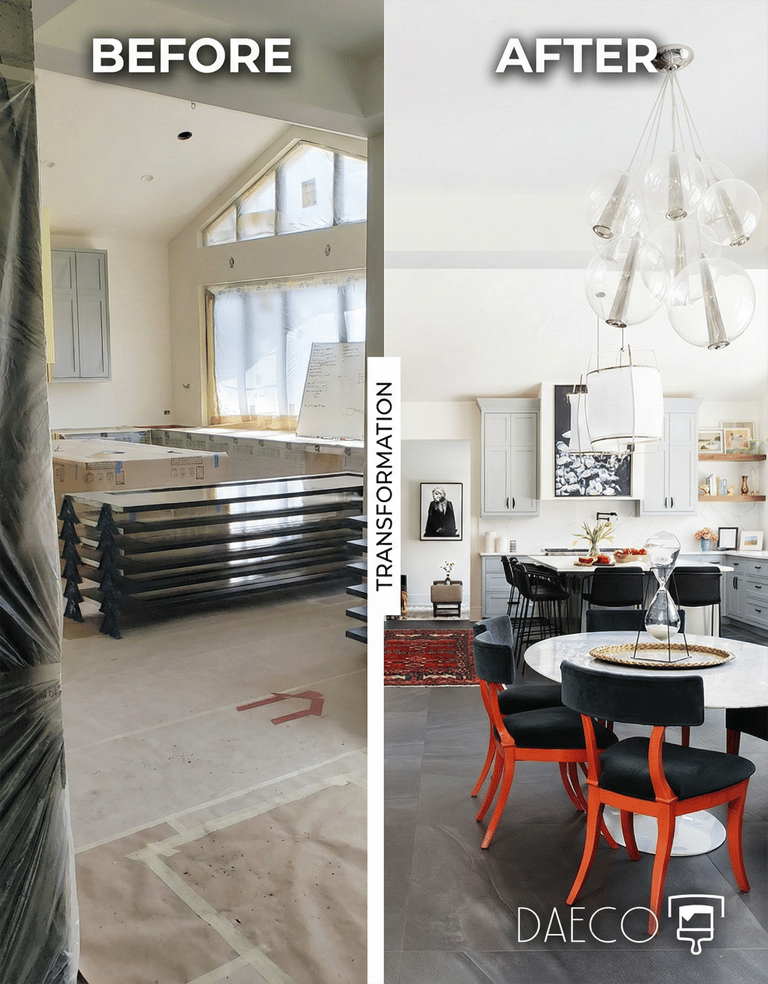
In most Denver home remodels, painting is treated as the final task — something scheduled once the “real work” is finished. Walls are up, cabinets are installed, and the house finally looks like a home again. That’s when many homeowners expect painting to move quickly and wrap things up.
In reality, that assumption is often what causes the most frustration at the end of a renovation.
In a remodel, painting is not a cosmetic afterthought. It is one of the most timing-sensitive trades in the entire project. When painting is planned incorrectly — or introduced too late — it becomes the bottleneck everyone feels during final walkthroughs.
Renovation Painting Is About Managing Variables, Not Applying Color
Repainting a finished home is relatively predictable. Surfaces are established, conditions are stable, and the scope is clearly defined.
Renovation painting is different.
In a remodel, painters are working inside an evolving environment:
Walls may be newly framed, patched, or reconfigured
Drywall is fresh, uneven, or still curing
Trim profiles change as design decisions evolve
Cabinets arrive in phases
Flooring determines when baseboards and trim can be completed
Lighting isn’t finalized until late, yet it dramatically affects how paint appears
A Denver home renovation painter isn’t simply applying paint. They are managing variables created by demolition, construction, and sequencing — all while protecting finished work from ongoing trades.
That is why renovation painting behaves differently than a repaint, and why treating it the same almost always leads to delays or rework.
Why Denver Remodels Add Another Layer of Complexity
Denver’s environment directly affects how painting should be planned during a remodel.
Altitude changes how coatings dry and cure. Temperature swings — especially during spring and fall — slow drywall compound and primer curing. Winter remodels often rely on temporary heat, which alters interior moisture levels. Older Denver homes frequently reveal uneven framing, layered repairs, and mixed substrates once walls are opened.
These conditions influence:
When painting can begin
What primers are required
How much surface prep is necessary
How long finishes need before being touched or walked on
A Denver home renovation painting contractor has to account for these factors upfront — not react to them at the end of the project.
Key takeaway: Denver remodels demand patience and planning during the finish phase, not shortcuts.
Why Painting Sometimes Appears to “Stall” During a Remodel
One of the most common homeowner concerns during renovation is the feeling that painting should already be happening.
Walls are up. Rooms look enclosed. Why the delay?
Professional renovation painting can only move forward once several behind-the-scenes conditions are met:
Drywall is fully cured and sanded to the appropriate finish level
Temperature and humidity are stable enough for coatings to perform correctly
Other trades are complete in that area
Finished surfaces will not be damaged by continued construction
What looks like inactivity is usually intentional waiting. Rushing paint before these conditions are met leads to visible seams, flashing, premature wear, and ongoing touch-ups later.
Pro Tip: Waiting for the right moment to paint almost always saves more time than rushing ahead.
How Painting Fits Into a Home Renovation Company’s Schedule
On well-run projects, painting is coordinated closely with the general contractor or home renovation company. Painters rely on other trades to complete their work correctly — and in turn, they protect that work once it’s finished.
When coordination breaks down, the results are predictable:
Finished surfaces damaged by late trade work
Touch-ups multiplying during final walkthroughs
Delays occurring at the exact moment homeowners expect completion
Design-build renovation teams tend to avoid these problems because planning, scheduling, and selections are handled together. When painters are involved early — as is common on projects with integrated teams such as Factor Design — finish work is sequenced intentionally instead of reactively.
The Most Common Painting Problems in Denver Remodels
Most renovation paint failures are not caused by bad products or poor color choices. They are caused by timing and sequencing.
Common issues include:
Painting before drywall has fully cured, causing seams to telegraph later
Selecting colors before lighting is installed, leading to unexpected tone shifts
Painting trim before flooring is complete, resulting in damage and repainting
Treating touch-ups as a solution instead of correcting underlying prep issues
Each issue may seem minor on its own. Together, they create delays, frustration, and compromised finishes at the end of the project.
How Long Renovation Painting Actually Takes
Renovation painting often feels slower than expected because it happens in phases.
A kitchen or bathroom remodel may only require a few active days of painting, but those days are spread out to align with inspections, drying times, and other trades. Whole-home renovations are typically painted in stages so completed areas can be protected while work continues elsewhere.
Timeline is influenced by:
Scope of the renovation
Drywall complexity and finish level
Number of trades involved
Cabinetry and specialty finishes
Inspection scheduling
This phased approach is not inefficiency — it’s what protects the final finish.
Questions to Ask a Denver Home Renovation Painting Contractor
Not every painter is equipped for renovation work. Homeowners planning a remodel should ask:
Have you worked inside active remodels or whole-home renovations?
How do you coordinate painting with drywall, flooring, and cabinetry?
When do you prefer to be involved in the project timeline?
How do you manage touch-ups after other trades are finished?
Are you familiar with Denver’s climate and older housing conditions?
Clear, confident answers to these questions matter more than the lowest bid.
The Real Takeaway
In a Denver remodel, painting is the stage where everything becomes visible. It reveals whether surfaces were prepared correctly, whether sequencing was respected, and whether decisions made earlier in the project actually work in real light.
When painting is treated as part of the renovation process — not a final task — projects move more smoothly, finishes last longer, and final walkthroughs are far less stressful.
If you’re planning a remodel, the best time to speak with a Denver home renovation painting contractor is earlier than most homeowners expect.
That early coordination is often the difference between a finish that holds up — and one that needs to be revisited far too soon.